Koh Lanta
265 Mu 5, Koh Lanta Yai, Koh Lanta, Krabi 81150, Thailand
followinggiants.lanta@gmail.com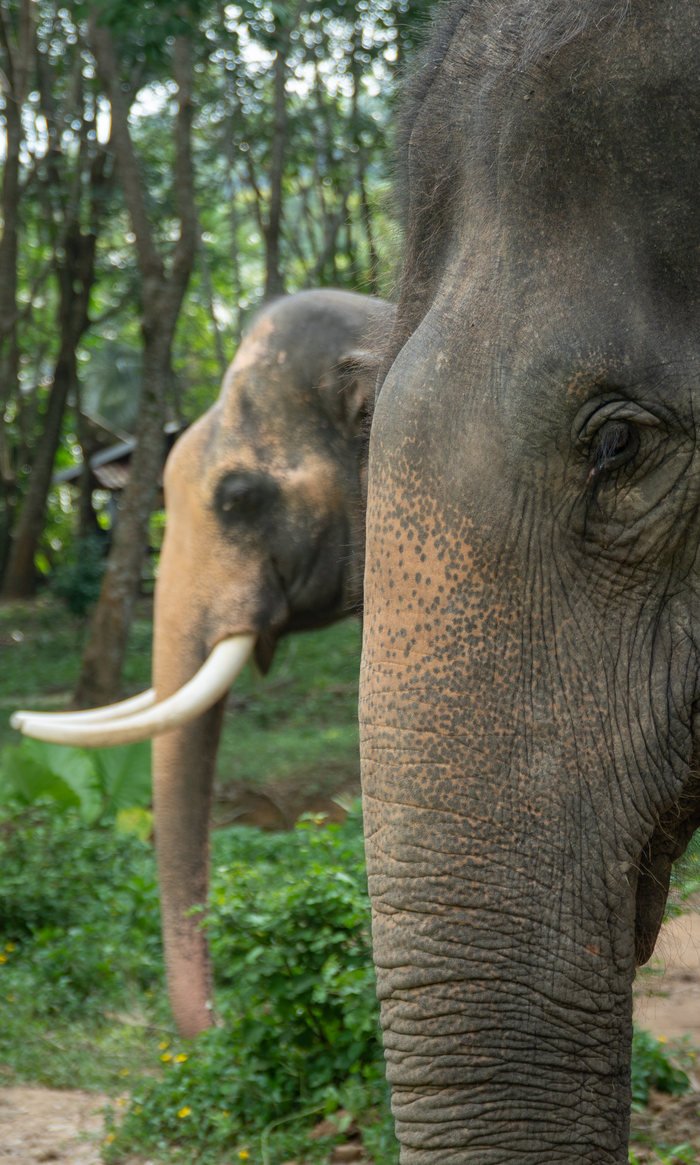
A shared commitment
World Animal Protection, a global organisation committed to stopping the sale and promotion of elephant entertainment, including gruelling rides and shows, first met Mr. Charae “Ray” Sangkaow in 2017. Ray’s determination to transform his business in Koh Lanta into a sustainable, elephant-friendly venue was immediately evident.
In 2019, World Animal Protection helped Ray achieve his dream of creating a peaceful environment, as close to the wild as possible, for these elephants; while visitors observe the herd graze, bathe and socialise freely and naturally.
Now, in 2024 Ray’s dream to improve the welfare for Thailand’s elephants is realised further, with his second sanctuary opening in Thapom Klong Song Nam, Krabi.

Visit Following Giants and help build a better future for elephants.
For more information about World Animal Protection
for our giants

189/1 Mu 1, Saladan, Ko Lanta,
Krabi 81150
Tel.: (66-75) 668021, 668023
Name:
Eco Tourism Recreation
Following Giants Sanctuary
Account No. 797-237327-2
Swift Code: SICOTHBK
265 Mu 5, Koh Lanta Yai, Koh Lanta, Krabi 81150, Thailand
followinggiants.lanta@gmail.com305 Mu 2, Khao Khram, Tha Pom Klong Song Nam, Krabi 81000, Thailand
followinggiants.krabi@gmail.comAnimal tourism often teaches visitors to expect an immediate activity: a ride, a bath, food offered by hand or a photograph beside an elephant. A quieter visit asks people to pay attention in a different way. Watching without touching can reveal how an elephant uses its surroundings, how it responds to other animals and how much of its day is not shaped around people. It also gives the animal room to move away instead of being held in place for a visitor experience.
This approach requires clear explanations and realistic expectations. Guests may not see every elephant or witness a dramatic moment, and that is not a failure of the visit. The point is to create an opportunity to learn without demanding a performance. Guides can help visitors understand why boundaries matter and how rescued elephants’ experiences influence the care they need.
Following Giants’ transition is ongoing, and the sanctuary continues to make decisions in response to its elephants and environment. Visitors support the change when they choose programmes that prioritise observation, respect the team’s instructions and share an honest account afterward. Small choices by travellers can help make welfare-focused tourism more visible and valued.
Visitors can support a shift toward more responsible elephant tourism through the choices they make before, during and after a trip. Before booking, look for clear information about visitor interaction and the elephants’ freedom to move. Ask direct questions if a venue’s practices are unclear, and do not assume that a name such as “rescue centre” guarantees a particular standard of care.
During a visit, follow the guide’s instructions and avoid requesting activities that bring elephants into contact with guests. Afterward, write an honest review that describes what the experience involved. Reviews focused only on closeness or photo opportunities can encourage venues to prioritise interaction over welfare. Feedback that recognises education, space and respectful observation helps other travellers understand what to look for.
Following Giants’ account says World Animal Protection first met Ray in 2017 and supported the transition to an elephant-friendly model, including training, infrastructure development and ongoing evaluation. The site says the Krabi sanctuary opened in 2024. For current campaign positions or recommendations, refer readers to World Animal Protection’s own publications; describe the partnership as the sanctuary presents it rather than treating it as an independent assessment of every practice.
When you talk about an elephant sanctuary after your visit, explain what you personally observed and separate that from information you learned from staff. Do not make claims about an organisation’s welfare standards that you cannot verify. If you describe a partnership, refer readers to official information from both organisations rather than implying that one visit proves every aspect of care.
You can help friends and family prepare by sharing practical guidance: look for observation rather than direct contact, read the full program details and check the location before booking. Encourage people to ask questions instead of relying only on promotional photos. If someone values close contact, explain why a venue that declines those interactions may be making a more considerate choice for the animals.
World Animal Protection publishes its own campaign resources and recommendations. Readers looking for current policy or campaign information should consult the organisation’s official channels. Following Giants can explain its own visit programmes and partnership history, but independent research remains useful when travellers compare wildlife experiences. Accurate, measured sharing helps strengthen trust and keeps attention on the animals’ needs rather than on marketing language.