After your visit
Give yourself a little time after the program to reflect on what you learned. You might note a question to research, share a useful observation with your travel companions or tell friends what an observation-only experience involves. Describe what you saw accurately and avoid suggesting that every guest will see the same behaviour. If you post photographs, follow the sanctuary’s guidance and do not present a distant observation as a staged interaction. Thoughtful recommendations help other travellers choose based on animal welfare, not only on images or promises of contact.
How to read an elephant’s story
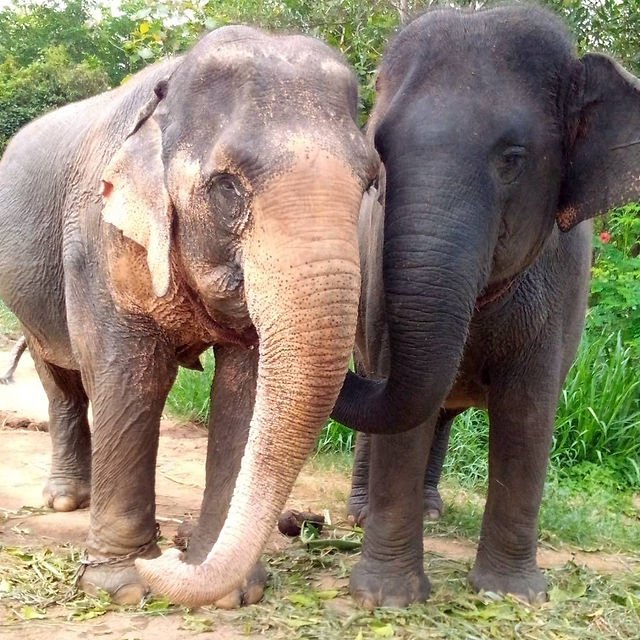
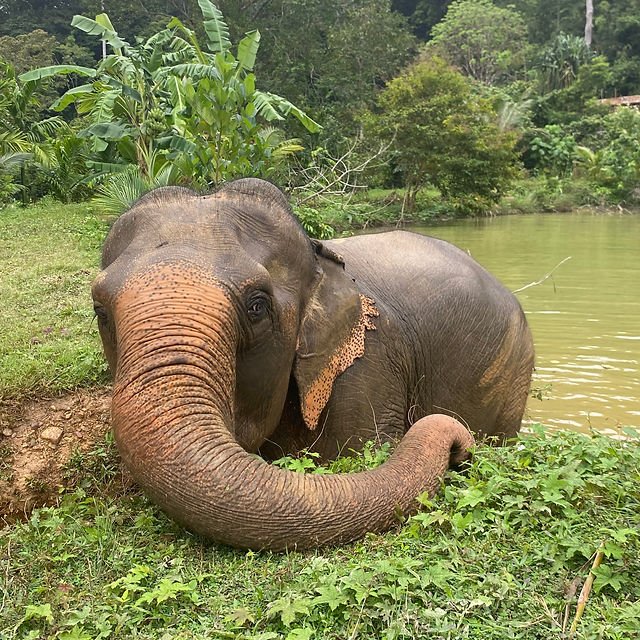
The profile of each Koh Lanta elephant is an introduction, not a complete account of a lifetime. Some elephants have known ages and rescue dates; for others, details are estimates based on the information available to the team. A short profile may describe a preference, a past experience or a physical feature, but it cannot explain every part of an animal’s health, personality or daily routine.
Use the stories to become familiar with the herd, then let your guide add context during a visit. A behaviour seen on one day does not define an elephant forever. Relationships can change, confidence can grow gradually, and an animal may choose different companions or spaces over time. The team adapts its care as it learns what each elephant needs.
When sharing a profile, use the information respectfully and avoid treating difficult experiences as entertainment. The purpose of telling these stories is to recognize each elephant as an individual and to help visitors understand why long-term, patient care matters. For the most current news, follow the sanctuary’s official updates; older website details may not reflect later changes in the herd.
Questions to ask about the herd
Visitors often wonder how elephants form relationships, why they sometimes keep their distance and what helps them feel secure. These are useful questions when asked with respect. A guide can explain what is known about an elephant’s preferences or routine, while some medical or historical details may not be appropriate to discuss publicly. Let staff decide what information is suitable to share, and remember that a profile cannot provide a full account of an animal’s life.
It is also natural to ask how a rescued elephant’s life differs from its past. The answer may involve gradual changes rather than a single moment of recovery. Familiar surroundings, consistent care and the freedom to choose where to spend time can all matter, but each elephant responds differently. Avoid comparing one elephant’s progress with another’s or expecting a particular result during a visit.
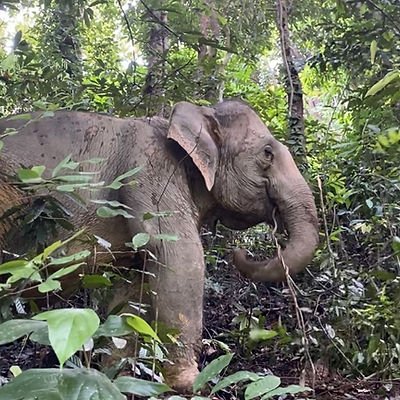
If you see an elephant resting, eating or moving away, observe without trying to influence it. The team’s guidance helps visitors understand behaviour without interrupting the herd. Quiet attention allows the animals to remain the focus and gives guests a better chance to appreciate how individual each giant can be.