KRABI | KOH LANTA | THAILAND

Discover Following Giants.

Meet rescued elephants in Krabi and Koh Lanta through thoughtful, observation-only visits.

Explore our sanctuaries
Let elephants lead the wayNo riding, bathing, feeding or performances.

TWO SANCTUARIES | ONE ELEPHANT-FIRST APPROACH

Two sanctuaries, each with its own character.

Discover our two rescued-elephant sanctuaries in Southern Thailand. Each offers an observation-led visit shaped by its landscape, its herd, and the people who care for them.

Why Choose Us

Following Giants offers an unparalleled ethical elephant sanctuary experience for visitors seeking genuine, sustainable, and truly elephant-friendly tourism.

Witness our magnificent, rescued elephants roaming in a natural habitat, showcasing their natural behaviour — a truly authentic elephant observation experience.

A no-contact, observation-only visit.

We do not offer riding, bathing, feeding or performances. Thai and English-speaking guides help guests understand elephant behaviour through respectful observation.

Be elephant aware

Discover

The Ethical Elephant Sanctuary Experience in Krabi and Koh Lanta

Are you searching for an enjoyable, educational experience with majestic elephants while actively promoting ethical and responsible elephant tourism? Look no further than Following Giants – your premier destination for an unforgettable elephant sanctuary adventure in Krabi / Ao Nang and Koh Lanta.

Why Choose Following Giants Elephant Sanctuary

At Following Giants, we are deeply committed to providing a unique and ethical encounter with these gentle giants. Our elephant sanctuaries are designed to offer a safe, expansive, and natural environment for our rescued elephants. Unlike traditional elephant tourism, we do not support activities that exploit these magnificent creatures, such as elephant riding, elephant bathing, feeding, or any unnatural performances.

Each of our elephants is cared for by their own dedicated mahout, who spends their days respectfully observing them, preparing essential food supplements, monitoring overall health and well-being, while also ensuring guests safety.

Our Thai, English-speaking guides will lead you on an insightful educational tour, focusing on the elephants' natural behaviour. It's crucial to understand that we are a sanctuary, not a national park; captive elephants cannot be returned to the wild. Therefore, our mission is to allow our elephants to live in captivity as wild as possible, free from work.

Our Commitment

To Ethical Elephant Tourism

At Following Giants, our commitment to ethical elephant tourism extends beyond providing unforgettable experiences. We actively contribute to elephant conservation and the well-being of these magnificent animals. Profits made from visitor support directly fund our ongoing elephant rescue efforts. In 2024, we successfully rescued 7 elephants, and our vital work continues throughout 2025. By choosing our sanctuary, you become part of a movement that truly makes a difference in the lives of these magnificent creatures.

Plan Your Visit to

Following Giants Elephant Sanctuary

Whether you're an animal lover, a family seeking a meaningful adventure, or a group of friends looking for a truly unique experience, Following Giants welcomes you with open arms. Our Ethical Elephant Sanctuary in Krabi and Koh Lanta promises an extraordinary journey where you connect with nature and make a positive impact through responsible elephant observation.

To ensure your visit, we highly recommend booking your tour in advance. Our team will be delighted to assist you in planning your trip and answering any queries you may have about our no contact elephant policy.

Join Following Giants on a Journey of Compassion and Wonder

Embark on a journey like no other with Following Giants Elephant Sanctuary, Thailand. Witness the magic of these intelligent beings, learn about their stories of rescue, and take home cherished memories that will inspire you for a lifetime. Book your visit to our ethical elephant sanctuary in Krabi / Ao Nang or Koh Lanta today, and be part of a movement that makes a difference in the lives of these magnificent creatures.

Following Giants – where compassion and adventure meet, offering the best in responsible elephant tourism. Krabi’s only observation-only sanctuary, proudly supported by World Animal Protection.

Get to know these

Gentle Giants

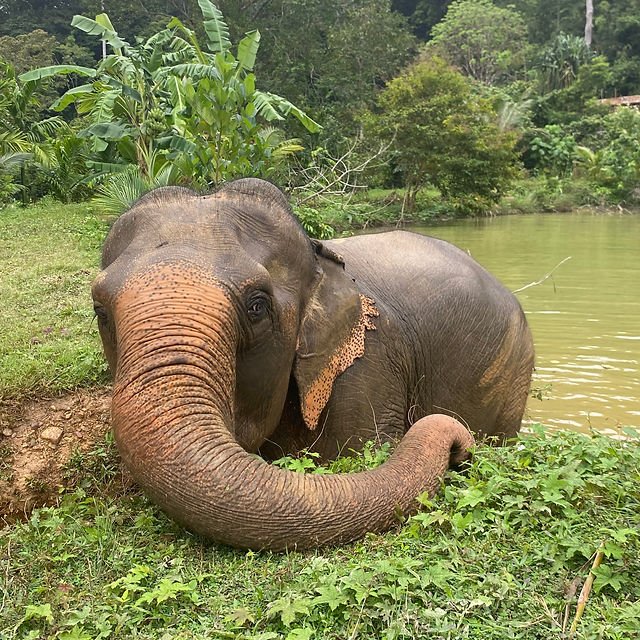
Mae Thongsuk at the Koh Lanta sanctuary

Mae Thongsuk

At 48 years old, she is the oldest of our giants!

Read more
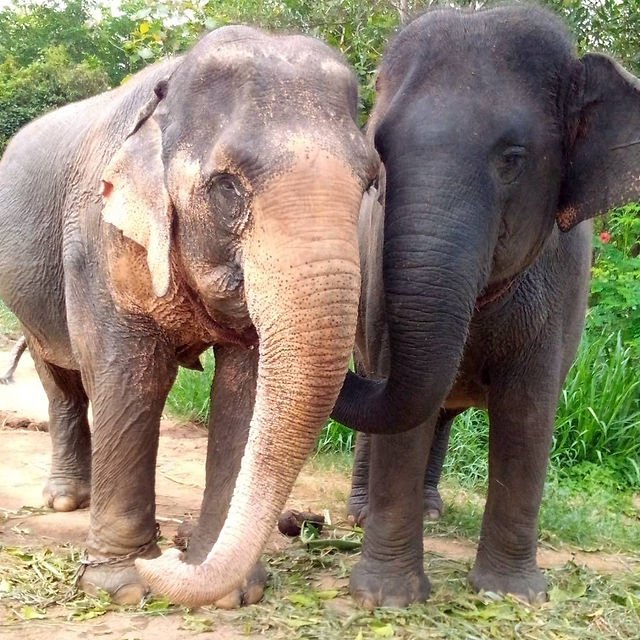
Mae Songkran at the Koh Lanta sanctuary

Songkran

Mae Songkran is our little – or not so little! – New Year miracle.

Read more
Kamsung at the Koh Lanta sanctuary

Kamsung

Kamsung / Tua Lek has had an extremely tough life.

Read more
Thang Mo at the Koh Lanta sanctuary

Thang Mo

Thang Mo means watermelon, and this is the Thai nickname of our 36-year-old sweet giant!

Read more
Khai Dam at the Koh Lanta sanctuary

Khai Dam

This young 26-year-old male arrived in October of 2022. His name means Black Egg.

Read more

WHY FOLLOWING GIANTS

Let elephants lead the way.

Looking for an ethical elephant sanctuary in Krabi? Following Giants offers no-contact, observation-only visits where rescued elephants can graze, explore and interact naturally. If you are comparing ethical elephant camps in Krabi or searching for the best elephant experience in Krabi, learn about elephant welfare with our experienced guides.

Read our elephant-aware guide
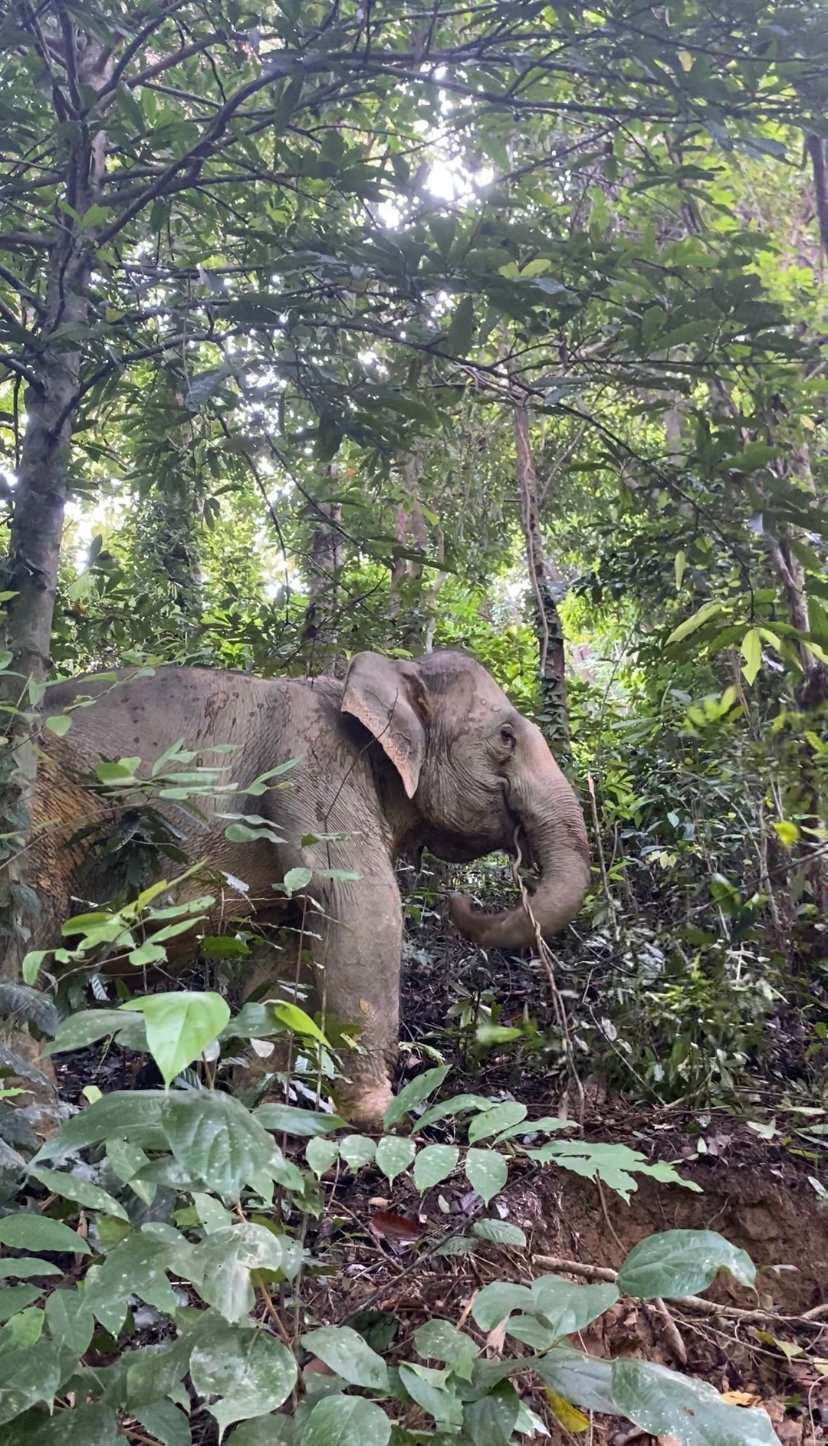
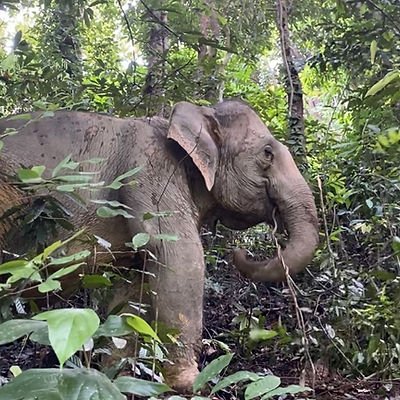
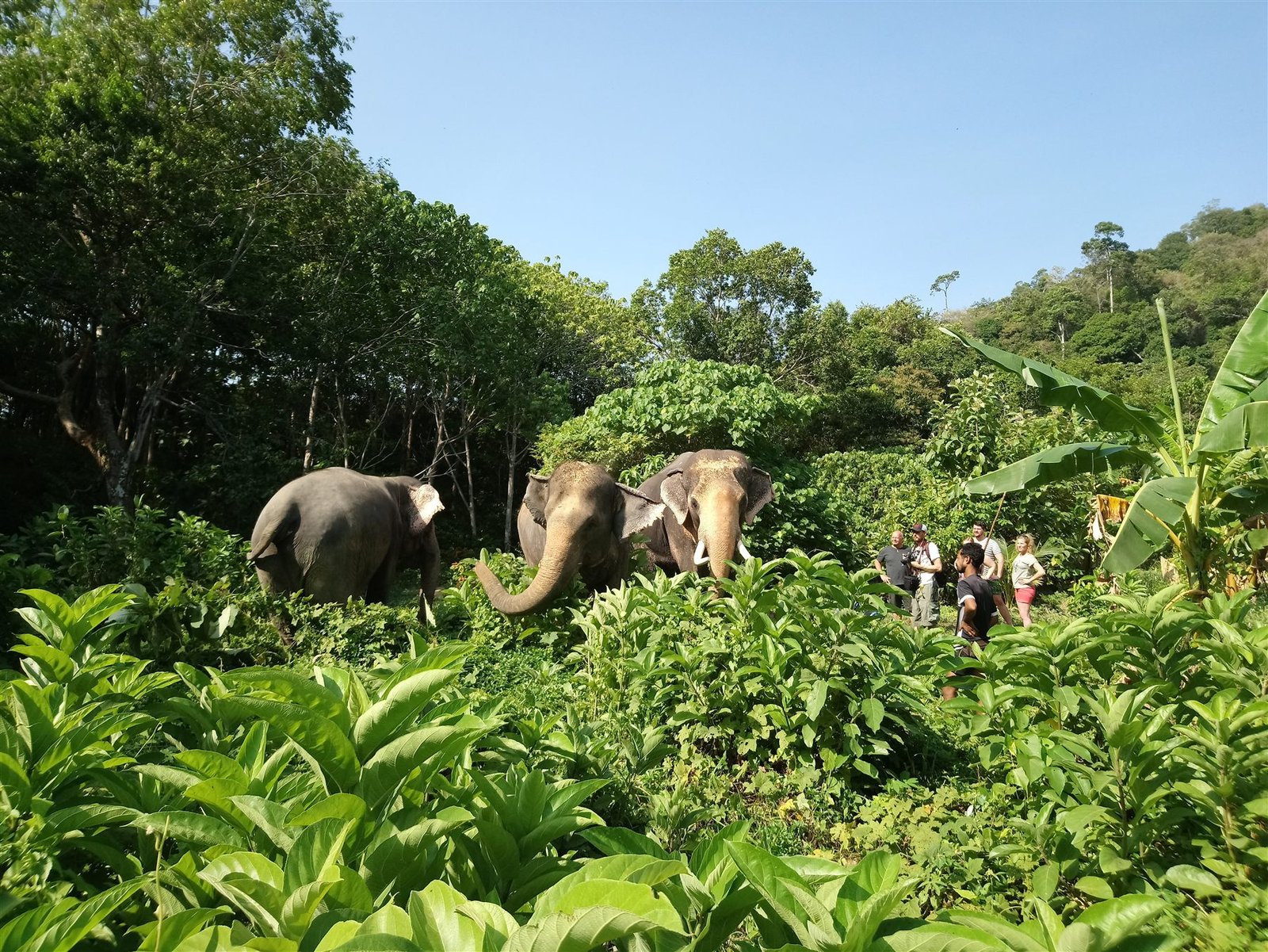
A rescued elephant exploring a leafy forest habitat

KRABI | NEAR AO NANG

Explore our Krabi sanctuary.

Our Krabi Elephant Sanctuary spans 85 acres and is home to 14 rescued elephants. Near Ao Nang, it offers an ethical elephant sanctuary experience in Krabi, with flatter terrain that can be easier to navigate. Thai and English-speaking guides share insights into elephant behaviour and daily care during your visit.

Plan a visit to Krabi
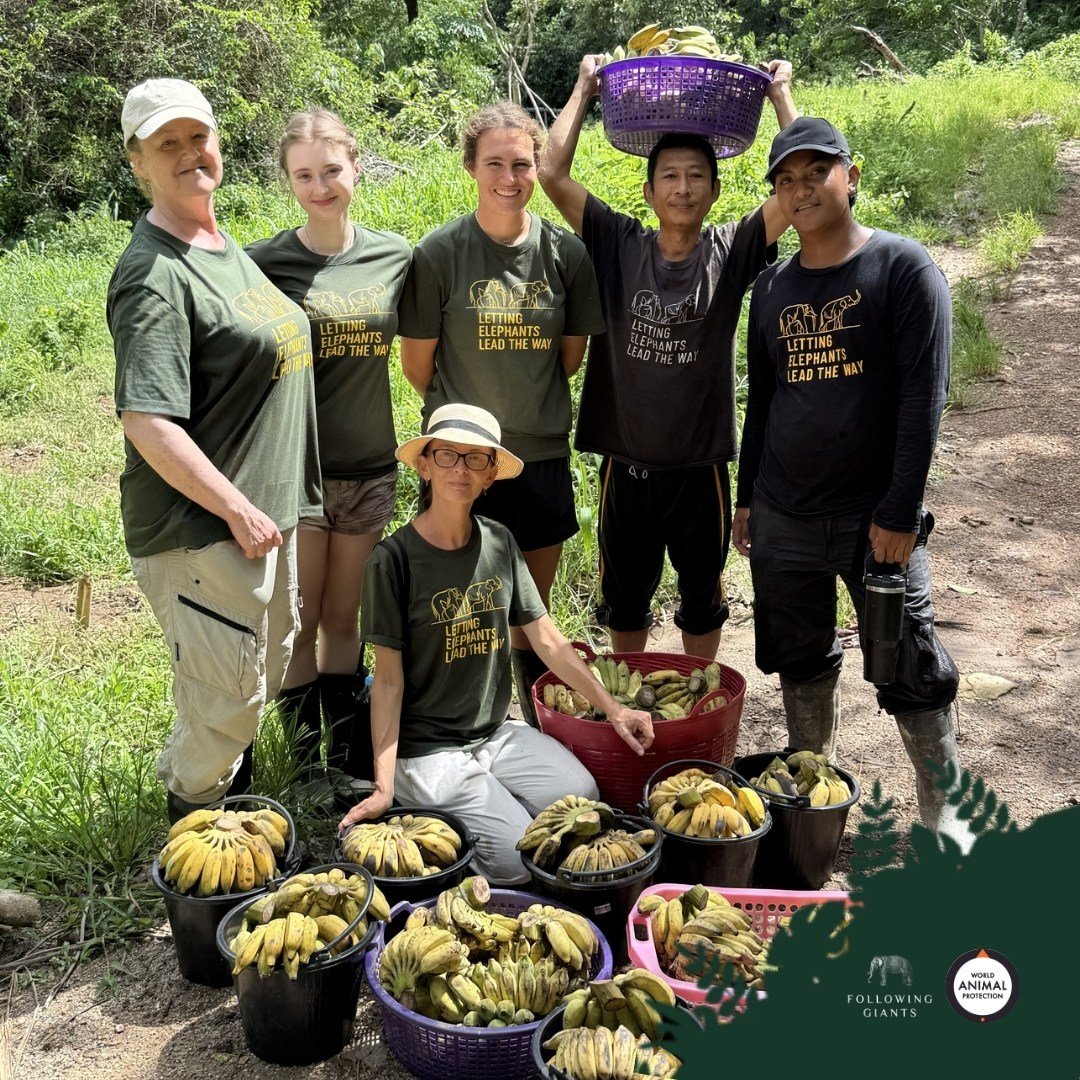
The sanctuary team preparing fresh food for the elephants

KOH LANTA

A different landscape, a different visit.

The 45-acre Koh Lanta sanctuary is home to 11 rescued elephants on a mountainside with winding, sometimes steep paths. Here, some elephants prefer their mahout’s company, so visits offer a distinct observation experience.

For travellers searching for ethical Koh Lanta elephant camps or a Koh Lanta elephant sanctuary attraction, our observation-only visit lets the elephants set the pace in their natural mountain habitat.

Plan a visit to Koh Lanta
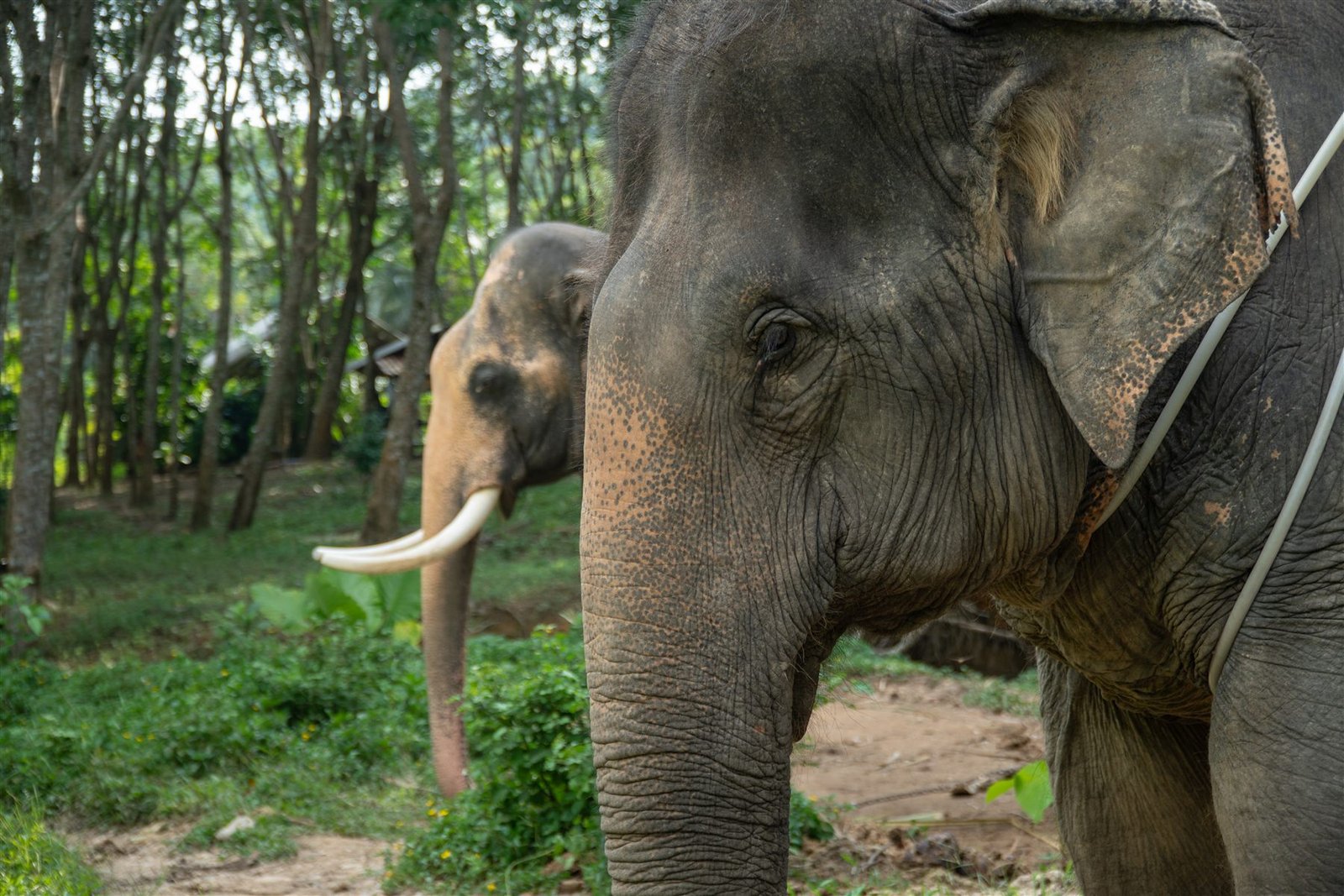
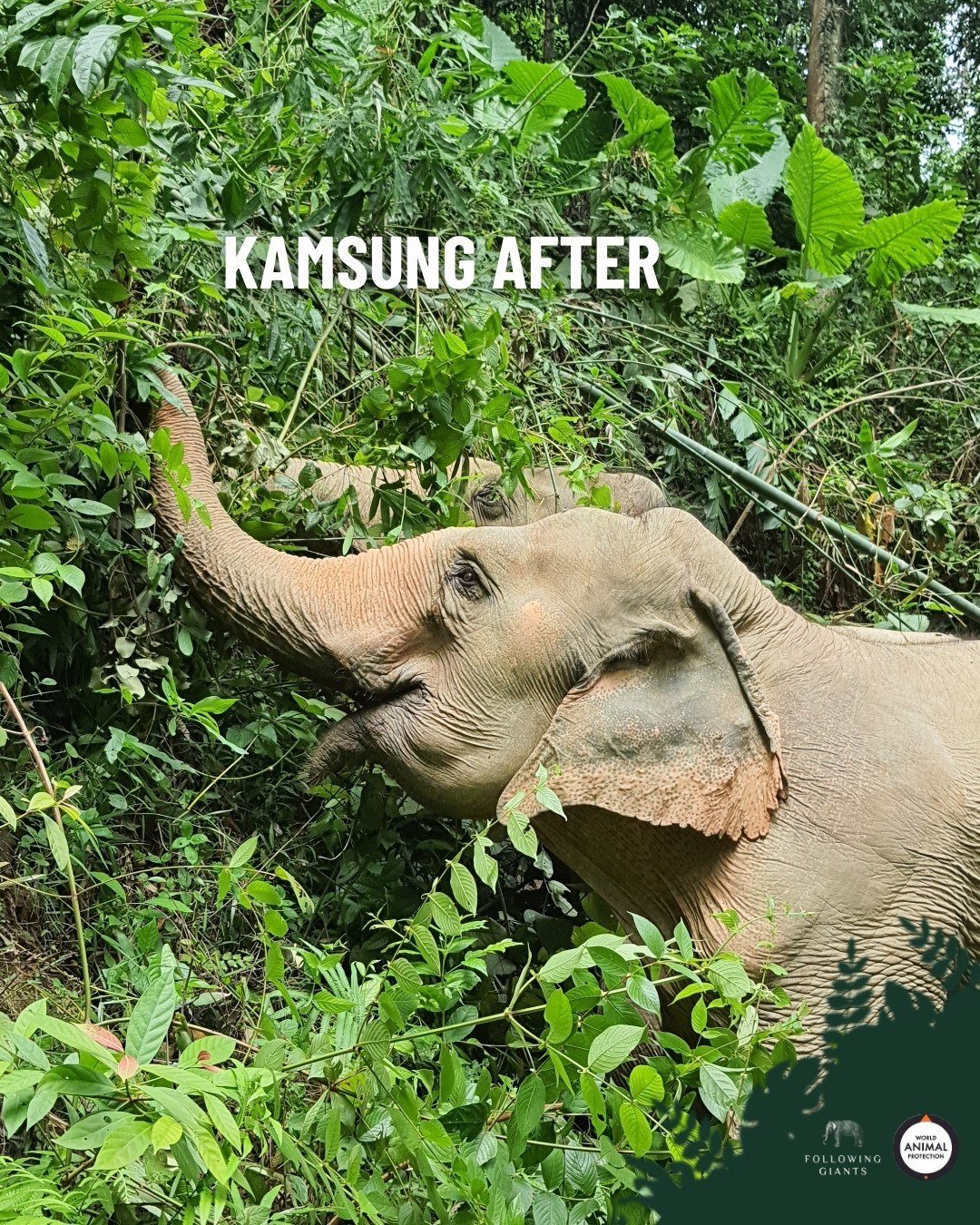
A rescued elephant stretching its trunk toward forest leaves

OUR COMMITMENT

Your visit helps support their future.

Visitor support at our ethical elephant sanctuaries in Krabi and Koh Lanta contributes to ongoing rescue efforts and daily care. Choosing a responsible, observation-led elephant sanctuary tour helps fund a safer future for the rescued elephants who call these sanctuaries home.

Learn about our partnership
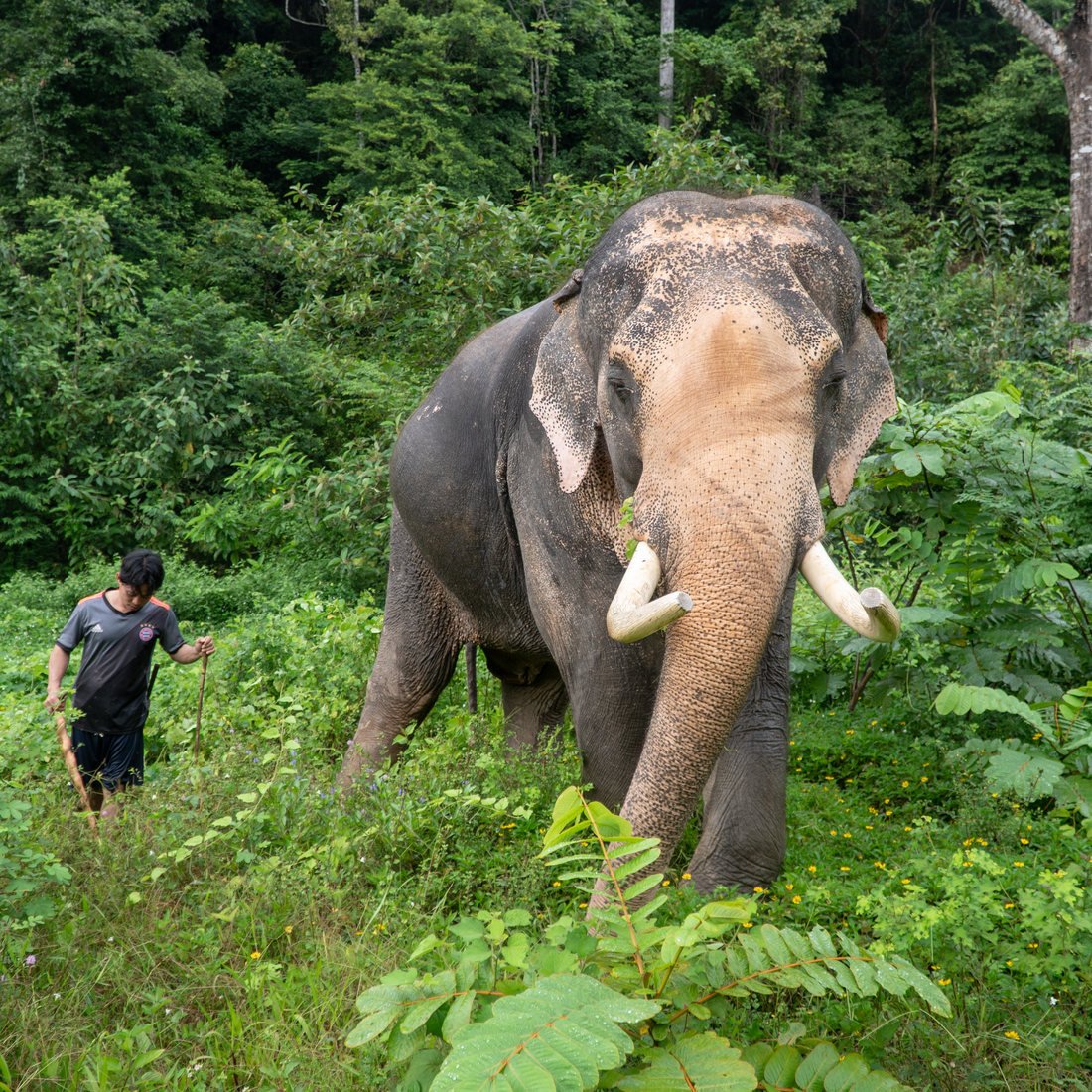
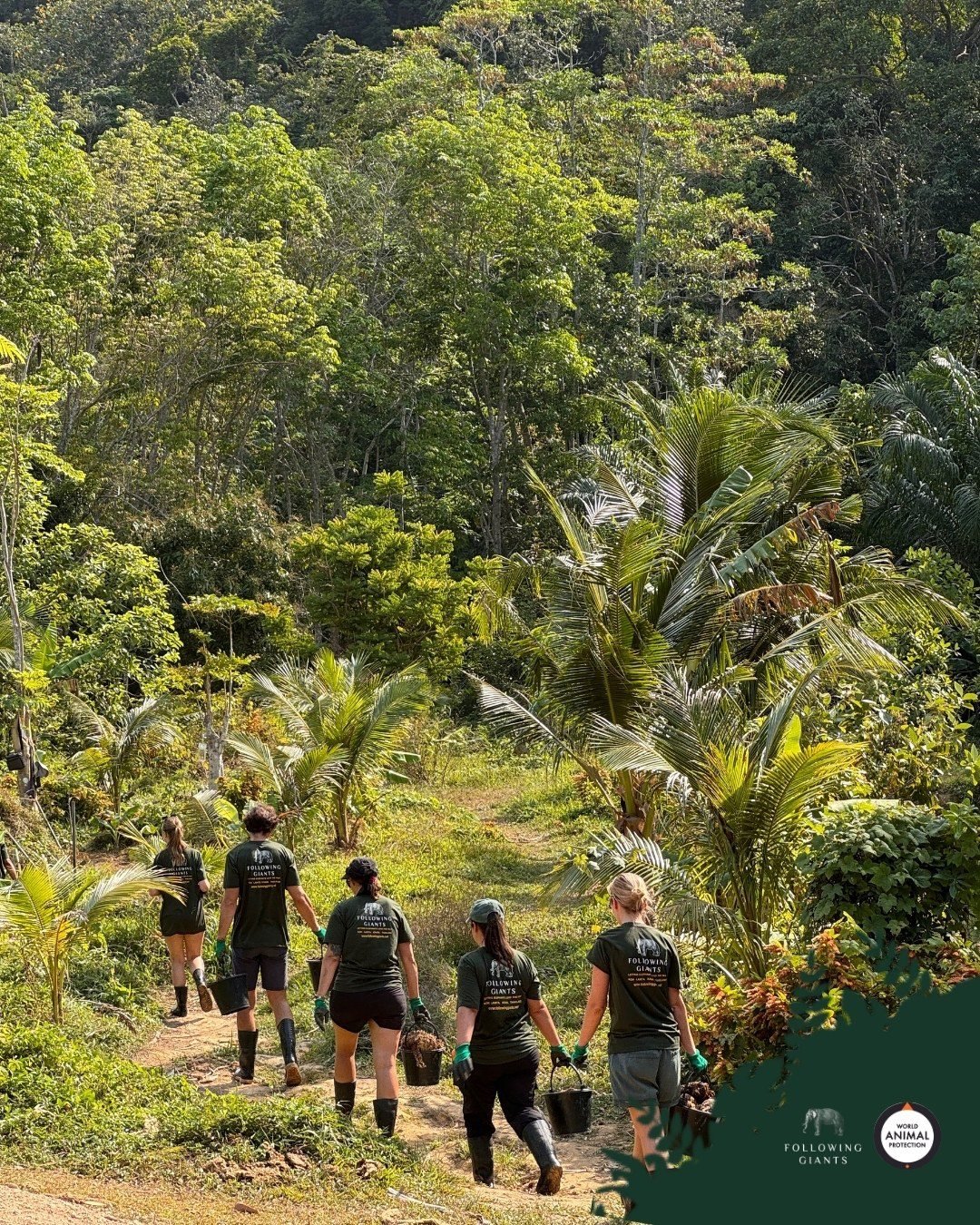
Visitors walking through tropical forest at the sanctuary

OUR STORY | GENTLE GIANTS | ELEPHANT AWARENESS

Get to know the gentle giants.

Explore the elephants’ stories, learn how our sanctuaries have grown, and find guidance for choosing a responsible elephant experience.

PLAN YOUR VISIT

Make time for a meaningful encounter.

Choose an ethical elephant sanctuary tour in Krabi or Koh Lanta and join an educational, observation-only visit. Explore the available booking options for each sanctuary, including half-day and full-day experiences where offered. If your search for an ethical elephant sanctuary in Phuket brought you here, our sanctuaries are in Krabi and Koh Lanta; contact our team for help planning your visit.

OUR COMMITMENT TO ETHICAL TOURISM

Proudly supported by World Animal Protection.

World Animal Protection supports our work to improve elephant tourism and protect the welfare of rescued elephants. At our Krabi and Koh Lanta sanctuaries, guests can choose an ethical elephant experience built around natural behaviour, respectful observation and individual care. When comparing elephant sanctuaries in Thailand, look for these elephant-first practices.

WORLD ANIMAL
PROTECTION
Supporting better lives for animals
Learn about our partnership

A few things to know before you arrive

Every visit to Following Giants is different because elephants are free to choose how they spend their time. You may see an elephant walking, resting, foraging or spending time with a companion; you may also find that the herd is elsewhere in the habitat. These ordinary moments are part of sanctuary life, not a performance arranged for visitors. A calm, patient attitude helps you appreciate what is happening without asking the animals to change their behaviour.

Before travelling, decide which sanctuary suits your itinerary and review its specific program information. The locations have different landscapes, schedules and transfer coverage. Check your confirmation for the meeting point, start time, age guidance and items to bring. Outdoor conditions can change, so comfortable shoes, sun protection and a reusable water bottle are useful starting points. Contact the relevant team in advance if mobility, dietary or transport questions might affect your plans.

Make the most of an observation visit

Bring curiosity rather than a checklist of things you hope an elephant will do. Notice how the animals use their surroundings, how they respond to one another and how guides describe their individual histories. Keep your voice calm, stay with your group and follow staff directions. By allowing elephants to remain at a distance or move away, you help make the visit respectful for them and more meaningful for yourself.

Give yourself time to notice the setting as well as the elephants. Watch how they use the available space, where they choose to rest or forage, and how the guide gives the herd room to move. A short pause or a change of direction may be part of an ordinary day; it does not need to be turned into a dramatic moment. Your guide can offer context about what is known while making clear when an interpretation would only be a guess.

Planning a comfortable day

Set aside enough time for travel to and from the sanctuary rather than scheduling the visit between two tight commitments. The two locations are in different parts of southern Thailand, and a programme’s duration does not include every journey detail. Confirm whether your booking includes a pickup, where the meeting point is and how you will return to your accommodation. If you are travelling with children, older relatives or someone who needs a slower pace, check the programme’s terrain and age information before choosing.

Think about the weather as part of your preparation. A sanctuary visit takes place outdoors, so sun, humidity and rain can affect comfort. Pack only what you can carry easily, wear secure shoes and bring water. If you have health, food or access questions, contact the relevant team before booking; the staff can explain the known conditions and help you decide whether the program suits your group.

During the visit, let the guide lead the group and make space for the elephants to move naturally. Ask questions at appropriate moments, avoid calling to the herd and do not assume that a photo or activity will be available. The best plan is one that leaves enough time to learn without hurrying anyone. That preparation helps you focus on the sanctuary rather than solving logistics after arrival.

After your visit

Give yourself a little time after the program to reflect on what you learned. You might note a question to research, share a useful observation with your travel companions or tell friends what an observation-only experience involves. Describe what you saw accurately and avoid suggesting that every guest will see the same behaviour. If you post photographs, follow the sanctuary’s guidance and do not present a distant observation as a staged interaction. Thoughtful recommendations help other travellers choose based on animal welfare, not only on images or promises of contact.

When you describe the experience, separate what you saw from what you were told and avoid guessing about an elephants feelings or history. A quiet moment can be meaningful without proving that an animal is happy, sad or fully recovered. If a guide explained a behaviour or care practice, share that context accurately and respect any information the team asked visitors not to publish. This helps keep the elephants stories thoughtful and fair.

You can also use the visit as a starting point for learning about responsible wildlife tourism. Look for information from established animal-welfare organisations and the sanctuary website current updates, and consider the choices that give animals space and control over their day. If friends ask where to visit, explain that observation does not guarantee close contact. Honest expectations help people choose an experience that respects the animals, even when the best moments are quiet ones.